
You Can See Everything (2026)
Directed by: Nathan Fielder, Lance Oppenheim
Genre: Documentary
Runtime: 174 minutes (2h 54m)
Rated: R for language and some graphic nudity
Distributor: A24
Release: October 16
When I first watched The Rehearsal, I thought we had found peak Fielder; I was wrong. You Can See Everything is a masterful documentary that is difficult to describe without spoiling its twists and turns. It is both unsettling and heartwarming at times and breaks down the traditional barriers of objectivity.
Going in, I thought I knew everything there was to know about the Elizabeth Holmes story; I’d seen the documentary, I’d read the news stories, I’d partaken in the memes. In the days since watching this film, I have debated, questioned, and relived moments of dialogue, trying to parse together reality. Was Elizabeth Holmes coerced and led astray? Or is she one of the greatest liars of all time? This documentary is content to answer neither of those questions and leave you less certain than when you went in.
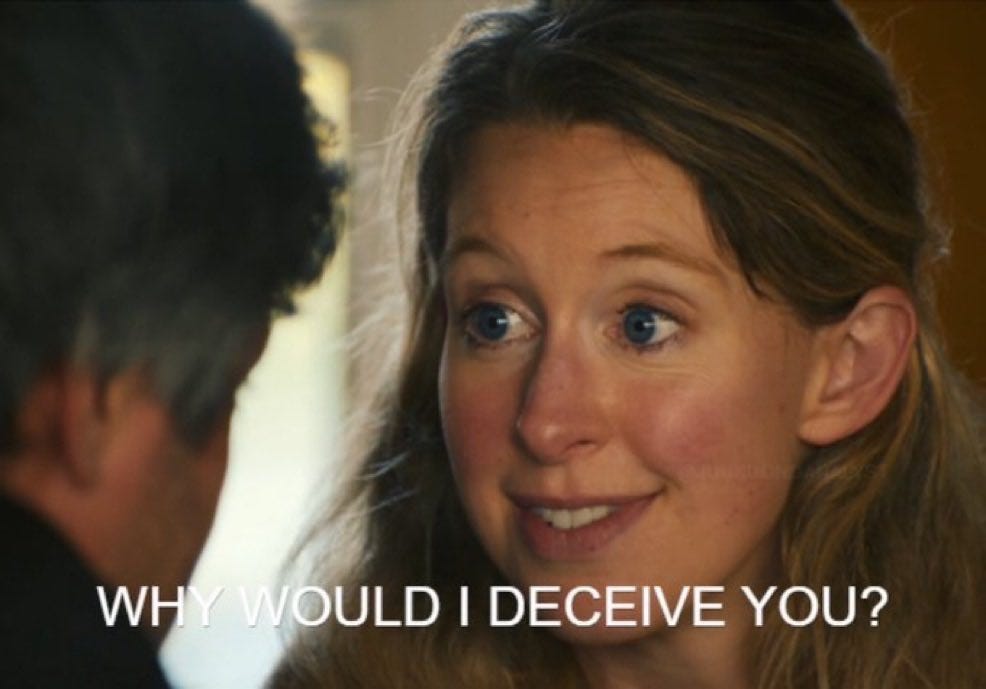
The documentary opens about a month before Elizabeth Holmes, disgraced CEO and famous fraudster, is set to begin serving her 11-year prison sentence. Somehow, Nathan Fielder, television show host and comedian, has been allowed full access to Holmes’s life, giving rise to the film’s title, You Can See Everything. Holmes explains that the film is a way for her to share her whole self with the world and show that they got the story wrong. Beady-eyed and unblinking, Holmes is unreadable, suspicious, and occasionally sympathetic.
However, it’s her partner, Billy Evans, who emerges quickly as the film’s primary antagonist. Controlling, narcissistic, and clearly unable to blink—seriously, what is it with these people? Someone get them some eye drops. Billy is terrifying. He comes across as the manosphere incarnate, keeping a hold on everything in Elizabeth’s life and wielding his power over everyone that surrounds them.
If someone is telling the cameras to cut, it’s Billy. If a juicy interview is interrupted, it’s Billy. If there’s an uncomfortable scene with full frontal nudity… well, who’s to say? But beyond simply being controlled, Billy also inadvertently serves as humanizing factor for Elizabeth Holmes. It’s very easy to imagine her being controlled by her business partner (and life partner) Ramesh ‘Sunny’ Balwani, when we can see the same thing happening again before our eyes. The question is whether that’s just another of the many stories Elizabeth wants the world to see.
In an interview, Lance Oppenheim and Nathan Fielder said they knew they had something interesting when no one could agree on what they had shot at the end of each day. This confusion and uncertainty lead to nuance in a person who has been put under the public microscope for years. Much of that is due to Fielder’s dry humor and presence throughout the documentary. While the rest of the camera crew and his co-director, are rarely on screen, Nathan is there almost the whole time.
Watching him build a relationship with Holmes despite his attempts to remain objective is a stark reminder of how she got to where she was in the first place. Elizabeth Holmes is clearly someone who understands people. She is charming despite the eerie nature of her stares and strange vocal cadence. While she might want to play the part of someone who doesn’t really understand people, her actions show someone who clearly knows how to get folks on her side. Without spoiling anything, the most interesting aspect of the film for me was watching Fielder and Holmes’s relationship evolve.
The documentary contains some of the absurdism Fielder is known for in shows like The Rehearsal but manages to keep itself restrained. There were moments when the whole theater was laughing out loud, but they felt like they served to build the film’s tension rather than relieve it. The intimacy of the film made each laugh feel awkward, as if I was sitting in the living room watching the conversations unfold.
It takes a lot to keep me on the edge of my seat for three hours, and I still felt like I wanted more when the final credits rolled. You Can See Everything is a unique documentary that is best viewed in a theater with other people who are just as uncertain about what’s happening as you are. Of course, that assumes you can find tickets. Even my 10:30AM showing was nearly sold out.
⭐⭐⭐⭐⭐
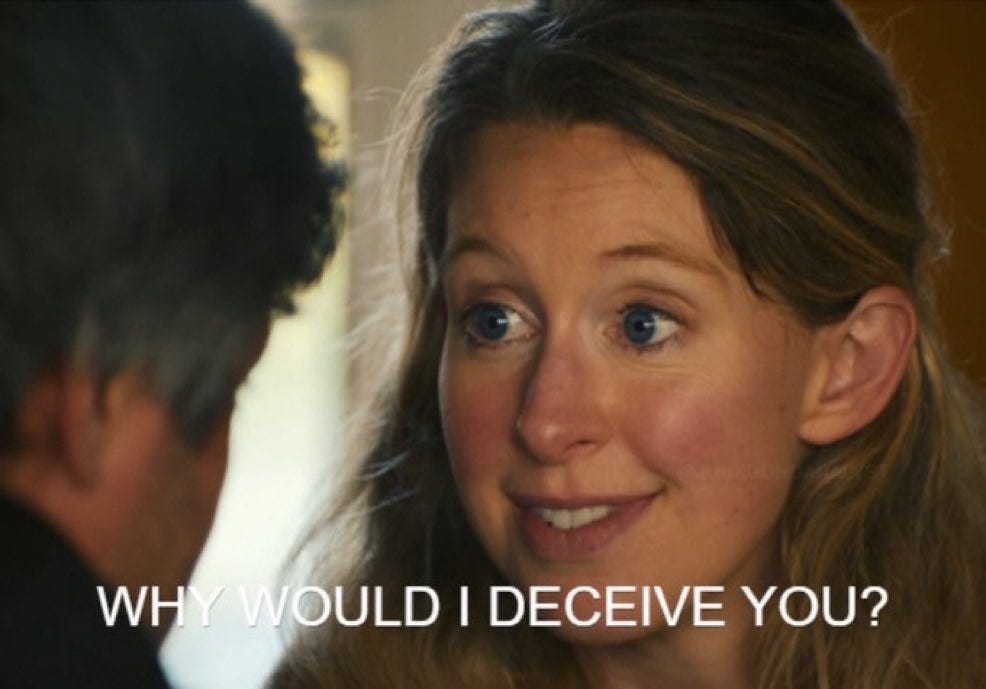
Why would I deceive you?
If you enjoyed this review, consider buying my new short story collection, The Dark Humor Will Continue Until Morale Improves (10 Short Stories About Fascism, AI, and Corporate F*ckery). It’s available wherever books and audiobooks are sold and free as a part of your Spotify Premium membership.

